by admin | Aug 6, 2026 | Custom Content, Employee Benefits, health, Wellness
 Many people put off seeking medical care, even when they recognize that something doesn’t feel right. Busy schedules, financial concerns, fear of receiving bad news, and the hope that symptoms will simply go away often lead to delays that can allow health problems to worsen. While postponing care may seem like the easier choice in the moment, understanding the common reasons behind these decisions is the first step toward making more informed health choices.
Common Reasons for Delaying Care
Many individuals postpone healthcare for a variety of reasons:
-
Cost Concerns: Approximately 36% of U.S. adults have delayed care due to costs, often leading to difficult sacrifices like skipping meals or utilities to afford medical expenses.
-
High Deductibles: Many insured individuals find high deductibles unaffordable, causing them to avoid non-preventive care until they have already met their deductible or require major medical services.
-
Scheduling Barriers: Busy personal and professional schedules can make it difficult to find appointments that align with provider availability.
-
Minimized Symptoms: People may downplay their symptoms to avoid the anxiety of a diagnosis or the inconvenience of the healthcare system.
-
Coverage Confusion: A lack of understanding regarding what a health plan covers can cause people to avoid care out of fear of unexpected bills.
The Risks of Postponing Treatment
Avoiding care rarely saves money and frequently allows manageable issues to evolve into serious conditions. According to a survey commissioned by Nice Healthcare, the consequences of delaying care include:
-
Increased Stress: Over one-third (38%) of respondents reported that increased anxiety and stress were the primary results of delaying medical attention.
-
Persistent Symptoms: More than one-quarter (29%) of individuals experienced symptoms that lasted longer than anticipated or reported reduced energy levels that negatively impacted work performance.
-
Worsened Conditions: Approximately one-fifth (21%) of respondents noted that their condition became more serious as a result of the delay.
-
Impacted Productivity: Among millennials, 30% reported needing more time off work after delaying care, indicating that the “push through it” mindset often leads to lost productivity and increased sick days.
Strategies to Take Charge of Your Health
To maximize your benefits and prevent future complications, consider these proactive steps:
-
Prioritize Preventive Care: Most plans cover annual wellness visits at no cost, providing a cost-effective way to address issues early.
-
Understand Your Coverage: Review your Summary of Benefits and Coverage (SBC) to understand your costs for specialists, prescriptions, and mental health services.
-
Leverage Modern Tools: Utilize telehealth for convenient access to providers and use insurance cost estimator tools to reduce financial uncertainty before receiving care.
-
Find In-Network Providers: Use your member portal to identify in-network specialists and labs to avoid paying higher out-of-pocket costs associated with out-of-network providers.
-
Utilize Support Programs: Take advantage of Employee Assistance Programs (EAPs), which offer confidential support for mental health, financial challenges, and stress-related issues.
By familiarizing yourself with your health benefits, you can make informed decisions that protect both your physical well-being and your financial stability.
by admin | Apr 27, 2026 | Custom Content, Health Insurance
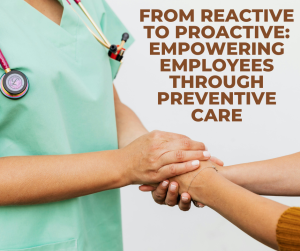
In the world of employee benefits, we often spend our time talking about what happens when things go wrong—surgeries, emergency room visits, and specialist consultations. Today, the most successful organizations are shifting the conversation toward what happens when things go right.
Teaching your employees about preventive care is more than just a wellness initiative; it is a strategic financial move. By encouraging your team to use the “maintenance” features of their health plans, you reduce long-term claims, decrease absenteeism, and—most importantly—keep your people healthy.
Why Education Matters (The “Why”)
Many employees avoid the doctor because they fear the cost. They don’t realize that under most modern health plans, preventive services are covered at 100%, with no deductible or copay required.
When employees understand this “first-dollar coverage,” they stop waiting for symptoms to appear and start catching issues while they are small, manageable, and inexpensive. A $0 annual checkup can catch high blood pressure before it becomes a $50,000 heart attack. Education is the bridge between having a benefit and actually using it.
Types of Preventive Care: What’s Included?
When educating your staff, it helps to categorize preventive care into “The Big Three.” Most of these services are available at no additional cost to the employee:
1. Screenings & Physicals
- Annual Wellness Exams: A comprehensive check-in to monitor vitals and establish a health baseline.
- Cancer Screenings: Age-appropriate screenings such as mammograms, colonoscopies, and pap smears.
- Biometric Screenings: Checks for cholesterol, blood sugar (diabetes), and blood pressure.
2. Immunizations & Medications
- Routine Vaccines: Coverage for the flu shot, Tetanus, Shingles, and COVID-19 boosters.
- Preventive Medications: Many plans cover certain “preventive” drugs (like statins or low-dose aspirin) at a lower cost or even $0 to manage chronic conditions before they escalate.
3. Family & Mental Well-being
- Pediatric Care: Well-child visits and standard childhood immunizations.
- Prenatal Care: Routine checkups for expecting mothers to ensure a healthy pregnancy.
- Mental Health Screenings: Depression and anxiety screenings are increasingly recognized as essential preventive care in 2026.
How to Encourage Utilization
Knowing isn’t the same as doing. Here is how employers can drive action:
- Remove the Time Barrier: Offer “Wellness Hours”—a few hours of paid time off specifically for employees to attend their annual physicals or screenings.
- Simplify the Search: Provide a direct link to your carrier’s “Find a Doctor” tool, specifically filtered for primary care physicians.
- Incentivize the Checkup: Some companies offer a small HSA contribution or a premium discount for employees who complete an annual biometric screening.
- Use Real-World Messaging: Instead of a complex brochure, send a quick email: “Did you know your annual flu shot and physical are $0? Here is where you can go locally to get them done.”
A “health literate” workforce is a more resilient workforce. When employees understand that preventive care is a free tool designed to keep them out of the hospital, everyone wins. You aren’t just managing a plan; you’re fostering a culture where health is a priority, not a reaction.

by admin | Jul 28, 2025 | ACA
Big changes are coming to women’s preventive care coverage! Starting with plan years on or after December 31, 2025, group health plans and health insurance issuers must expand their no-cost coverage for women’s preventive care. This expansion includes additional breast cancer imaging or testing needed to complete an initial mammogram, as well as patient navigation services for breast and cervical cancer screenings.
These updates fall under the Affordable Care Act’s (ACA) preventive care mandate, which requires most health plans to cover a range of preventive services without deductibles, copayments, or coinsurance when using in-network providers. The ACA’s guidelines are regularly updated.
The latest HRSA-supported guidelines, updated on December 30, 2024, specifically expand breast cancer screening to include necessary follow-up imaging (such as MRIs or ultrasounds) or pathology evaluations beyond the initial mammogram. Additionally, starting in 2026, patient navigation services for breast and cervical cancer screening and follow-up will be covered. These services offer personalized support, help with healthcare access, referrals to essential services (like language translation or transportation), and patient education.

by admin | Jun 24, 2024 | Health & Wellness
The old adage “an ounce of prevention is worth a pound of cure” rings truer than ever in today’s world. While reactive healthcare plays a crucial role in treating illness, a growing emphasis is being placed on the power of health prevention and wellness.
Investing in preventive measures and promoting overall well-being isn’t just about individual health; it’s a strategic decision with far-reaching benefits for individuals and communities. Here’s why:
Reduced Healthcare Costs:
Reactive healthcare, focused on treating existing conditions, can be incredibly expensive. Chronic diseases like heart disease, diabetes, and cancer often require ongoing treatment and management, placing a significant strain on healthcare systems and individuals’ finances.
Investing in preventive measures like healthy eating, regular exercise, and preventive screenings can significantly reduce the risk of developing these chronic conditions, leading to substantial cost savings in the long run.
Improved Quality of Life:
Health prevention isn’t just about avoiding illness; it’s about promoting overall well-being. By prioritizing healthy habits, individuals experience increased energy levels, improved mental clarity, and a greater sense of vitality. This leads to a higher quality of life, allowing individuals to be more productive, engaged, and fulfilled in all aspects of their lives.
Enhanced Productivity and Economic Growth:
A healthy workforce is a productive workforce. When individuals are free from chronic illness and experience better overall health, they are more likely to be present at work, focused on their tasks, and less prone to absenteeism due to health issues. This translates to increased productivity and economic growth for both individuals and organizations.
Strategies for Investing in Health Prevention:
Investing in health prevention can take various forms, both at an individual and community level:
- Individual Level: Prioritizing healthy eating habits, regular exercise, adequate sleep, and preventive screenings are essential steps individuals can take to safeguard their health.
- Community Level: Promoting access to healthy food options, safe parks and recreational facilities, and community-based wellness programs can significantly impact population health.
Investing in health prevention and wellness is a wise decision with far-reaching benefits. By prioritizing proactive measures and promoting overall well-being, individuals, communities, and societies can reap the rewards of a healthier, happier, and more productive future.
by admin | Mar 7, 2023 | Employee Benefits, Hot Topics
Health care is expensive but there is good news: Most insurance plans come with free preventive care and benefits. There is a lot of confusion around what is and isn’t preventive care – and why it matters. Here is what you need to know.
What is Preventive Care and Why Is It Important?
Preventive care is routine health care that includes screenings, services and counseling to help prevent illness, disease or other health problems. It is care that helps detect or prevent serious diseases and other medical issues before they become worse.
When you subscribe to a health plan—regardless of whether it’s one offered by your work or one you purchase in the marketplace—most plans will include an array of preventive care services free of charge if you use an in-network provider. Due to the Affordable Care Act (ACA), plan providers are required by law to offer basic preventive care services to you and those covered by your plan with no additional copay, coinsurance, or requirement to meet a deductible.
So why should you go to the doctor when you’re healthy? The simple answer is that preventive care can help you stay healthier and, as a result, lower your health care costs. It can also help identify health problems earlier like diabetes, high blood pressure, or even cancer, when these diseases are most treatable.
Preventive Health Care Examples
- Annual Checkups – This is when your primary care physician checks your overall health. These visits are a great opportunity to bring up anything you may be worried about with your doctor.
- Immunizations – These include Tdap (Tetanus, Diphtheria and Pertussis) boosters, and immunizations against Pneumococcal Conjugate and Shingles. Your annual flu shot is also covered.
- Cancer Screenings – Most people don’t experience cancer symptoms when it is in the earliest, most treatable stage. That’s why it’s important to have regular screenings throughout your life. Preventive screenings for women include pap test and mammograms. It’s also recommended that both men and women begin colorectal cancer screenings starting at age 45.
- Tests and Screenings – These include tests for blood pressure, cholesterol, diabetes, obesity and depression
- Pediatric Screenings – These include screenings for hearing, vision, autism and developmental disorders
- Colonoscopy – 1 typically every 10 years, usually after the age of 50
- Mammogram – 1 per calendar year, usually after the age of 40
Unfortunately, most people in the United States are not taking advantage of preventive care. In fact, one study from 2018 found that only 8% of adults 35 and older received the preventive care recommended to them. Today, the vast majority of deaths in America stem from preventable chronic diseases and 90% of the nation’s $4.1 trillion in annual health care spending goes for people with chronic and mental health conditions.
The U.S. Department of Health and Human Services has provided lists of preventive services that must be covered by most health insurance plans. Lists are available for adults, women and children. Click here for the lists of covered preventive care services.
Preventive health services offer significant health benefits and are covered by most insurance companies. In other words, participating in preventive care usually won’t cost you anything. So, go get those freebies – and improve your health – while you’re at it!