As summer turns to fall, a few simple habits can help protect your energy, mood, and routine through the shorter, colder days ahead.
The transition from summer to fall can feel refreshing but often disrupts routines. Shorter days and colder weather reduce exposure to sunlight, which may affect circadian rhythms, energy, and mood. This can lead to fatigue, sadness, or loss of motivation. Ending daylight saving time often intensifies sleep disruptions and irritability. Colder weather also makes it harder to stay active—yet maintaining physical activity is essential, since reduced movement is strongly linked to worsening depression and low mood.
Practical Ways to Stay Balanced in Fall and Winter:
Seek light: Get sunlight daily, open blinds early, or try light therapy to support your body’s rhythm.
Stay active: Keep moving with walks, stretching, or indoor exercise—physical activity strongly protects mood.
Keep a routine: Stick to consistent sleep and meal times to stabilize energy.
Build anticipation: Plan enjoyable activities or rituals to give yourself something positive to look forward to.
Stay connected: Reach out to friends, coworkers, or family to prevent isolation.
While the seasonal shift brings inevitable changes to our environment and routines, you don’t have to simply endure the colder months. Taking a proactive approach now helps ensure that autumn and winter remain a season of steady balance rather than burnout.
Many people put off seeking medical care, even when they recognize that something doesn’t feel right. Busy schedules, financial concerns, fear of receiving bad news, and the hope that symptoms will simply go away often lead to delays that can allow health problems to worsen. While postponing care may seem like the easier choice in the moment, understanding the common reasons behind these decisions is the first step toward making more informed health choices.
Common Reasons for Delaying Care
Many individuals postpone healthcare for a variety of reasons:
Cost Concerns: Approximately 36% of U.S. adults have delayed care due to costs, often leading to difficult sacrifices like skipping meals or utilities to afford medical expenses.
High Deductibles: Many insured individuals find high deductibles unaffordable, causing them to avoid non-preventive care until they have already met their deductible or require major medical services.
Scheduling Barriers: Busy personal and professional schedules can make it difficult to find appointments that align with provider availability.
Minimized Symptoms: People may downplay their symptoms to avoid the anxiety of a diagnosis or the inconvenience of the healthcare system.
Coverage Confusion: A lack of understanding regarding what a health plan covers can cause people to avoid care out of fear of unexpected bills.
The Risks of Postponing Treatment
Avoiding care rarely saves money and frequently allows manageable issues to evolve into serious conditions. According to a survey commissioned by Nice Healthcare, the consequences of delaying care include:
Increased Stress: Over one-third (38%) of respondents reported that increased anxiety and stress were the primary results of delaying medical attention.
Persistent Symptoms: More than one-quarter (29%) of individuals experienced symptoms that lasted longer than anticipated or reported reduced energy levels that negatively impacted work performance.
Worsened Conditions: Approximately one-fifth (21%) of respondents noted that their condition became more serious as a result of the delay.
Impacted Productivity: Among millennials, 30% reported needing more time off work after delaying care, indicating that the “push through it” mindset often leads to lost productivity and increased sick days.
Strategies to Take Charge of Your Health
To maximize your benefits and prevent future complications, consider these proactive steps:
Prioritize Preventive Care: Most plans cover annual wellness visits at no cost, providing a cost-effective way to address issues early.
Understand Your Coverage: Review your Summary of Benefits and Coverage (SBC) to understand your costs for specialists, prescriptions, and mental health services.
Leverage Modern Tools: Utilize telehealth for convenient access to providers and use insurance cost estimator tools to reduce financial uncertainty before receiving care.
Find In-Network Providers: Use your member portal to identify in-network specialists and labs to avoid paying higher out-of-pocket costs associated with out-of-network providers.
Utilize Support Programs: Take advantage of Employee Assistance Programs (EAPs), which offer confidential support for mental health, financial challenges, and stress-related issues.
By familiarizing yourself with your health benefits, you can make informed decisions that protect both your physical well-being and your financial stability.
Summer is the season of opportunity—a chance to reset your habits, soak up the sun safely, and prioritize the mental downtime we often skip during the winter hustle. Use these strategies to maximize your well-being while making the most of the warmer months.
Build a High-Energy Routine
With changing schedules and school breaks, it’s easy for structure to slip away. Instead, use the longer days to build better habits:
Early Starts: Wake up a little earlier to enjoy the cool morning air before the heat peaks.
Active Transit: Swap the car for a bike or a walk when running local errands.
Seasonal Eating: Take advantage of heart-healthy vegetables and fresh, hydrating fruits.
Master Sun Safety
Vitamin D is a mood booster, but protection is non-negotiable.
The SPF Standard: Apply a broad-spectrum sunscreen (SPF 30 or higher) every day, even when it’s overcast. Reapply every two hours, or more frequently if you’re swimming or sweating.
Gear Up: Use wide-brimmed hats and sunglasses to protect your eyes and face, especially during the “peak burn” hours of 10 a.m. to 4 p.m.
Outsmart Vacation Stress
A “relaxing” trip can quickly become stressful if planned at the last minute.
Map It Early: Whether it’s a beach trip or a local staycation, book your logistics ahead of time.
Set Firm Boundaries: Communicate clearly with your team about your time off. Use your vacation to truly disconnect—your productivity will thank you when you return.
Lean Into Summer “Firsts”
Summer is the ideal time to spark creativity by trying something new.
Get Competitive: Join a local pickleball or tennis league.
Get On the Water: Try a weekend kayaking or paddleboarding class.
Prioritize Hydration
As temperatures climb, your body requires significantly more fuel to stay cool and keep your joints lubricated.
The Math: Aim to drink half your body weight in ounces of water daily (e.g., if you weigh 160 lbs, aim for 80 oz).
Eat Your Water: Hydrate with water-rich snacks like melons & cucumbers.
Pro Tip: Consistency is the key to well-being. Pick just two of these tips to focus on this week, and layer in the rest as the season progresses!
Navigating Summer Social Anxiety
If the thought of a packed summer calendar makes you want to retreat to the air conditioning, you aren’t alone. While “summertime vibes” often imply non-stop socializing, the season can be a major trigger for social anxiety.
Why Anxiety Spikes in the Summer
The transition from a structured winter to a wide-open summer can create a perfect storm for social stress:
Social Overload: The sudden influx of barbecues, weddings, and beach trips can lead to “decision fatigue” and overstimulation.
Routine Disruption: Without the predictability of a standard schedule, uncertainty grows, which can exacerbate feelings of unease.
The FOMO Factor: Social media often creates a “highlight reel” of everyone else’s summer, making you feel inadequate if you aren’t constantly on the go.
Strategies for a Balanced Summer
You don’t have to accept every invitation to have a “successful” season. Try these practical management techniques:
Set Firm Boundaries: It is okay to say no. Limit your events to a number that feels sustainable and prioritize downtime to recharge.
Plan “Micro-Steps”: If a large party feels daunting, start with low-pressure, small gatherings. Gradually increasing your exposure helps build social confidence.
Focus on Interests: Shift your focus from what you should do to what you want to do. Reading in a park or gardening is just as much a “summer activity” as a crowded festival.
Managing social anxiety is a marathon, not a sprint. Be patient with yourself and remember that “enjoying summer” looks different for everyone.
Pro Tip: Before heading to your next event, try five minutes of box breathing. It’s a simple, invisible way to reset your nervous system and lower your baseline stress level.
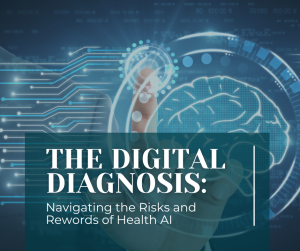
In the modern age of instant information, the way we seek medical advice is shifting. According to a recent poll by KFF, one in three U.S. adults now uses artificial intelligence to look up health information. While these tools offer unparalleled convenience, they are fundamentally not designed to provide medical diagnoses—a distinction that can mean the difference between timely care and dangerous delay.
The Allure of AI Convenience
For many, AI tools are the first line of defense against health anxiety or curiosity. They are available 24/7, provide instant responses, and often translate complex medical jargon into easy-to-understand language. However, this accessibility can create a false sense of security.
The most significant danger with health AI is the “accuracy gap.” AI models operate on patterns in data, not on medical logic. Unlike a doctor, AI cannot:
Perform Physical Exams: It cannot listen to your heart, palpate a sore area, or observe your physical demeanor.
Review Comprehensive History: It lacks a deep, contextual understanding of your unique genetic markers, lifestyle habits, and past medical complications.
Filter for Context: AI often provides a list of “broad possibilities.” Without a professional to filter these, a user might mistake a common tension headache for a rare neurological condition, or conversely, dismiss a warning sign of a heart attack as simple indigestion.
The Danger of “Confident” Answers
AI is designed to be helpful and conversational, which often results in very confident-sounding answers. This “authoritative tone” can be misleading. When AI provides a detailed, reassuring response, it may lead patients to delay professional consultation. In the medical world, a delay of even a few days can allow a manageable condition to worsen significantly.
If you do choose to use AI as part of your health research, follow these safety protocols:
Treat it as a Search Tool, Not a Doctor: Use AI to help find and summarize information from trusted sources like the CDC, NIH, or Mayo Clinic. Think of it as a sophisticated librarian, not a medical practitioner.
Prepare for Your Appointment: Use AI to help you draft a list of questions to ask your doctor. This turns AI into a tool for patient advocacy rather than self-diagnosis.
Consult a Physician: Always validate any health concern with a qualified medical professional. If the AI suggests a “possible diagnosis,” treat it as a conversation starter for your next check-up, not as an actual diagnosis.
The Golden Rule: AI can help you find information, but only a human professional can provide healthcare. When in doubt, skip the prompt and call your provider.
A new study published in BMJ Heart, a leading journal for cardiovascular advances, has found a powerful connection between your walking speed and your heart rhythm. According to the research, people who maintain an average or brisk walking pace have a 35% to 43% lower risk of developing heart rhythm abnormalities compared to those who walk at a slower speed.
What the Research Says
The study defines a “slow” pace as less than 3 mph, while a “brisk” pace is considered more than 4 mph. Higher walking speeds were specifically linked to a reduced risk of atrial fibrillation and other types of cardiac arrhythmia.
The Full-Body Benefits of Walking
This study reinforces what health experts have long advocated: walking is one of the most effective and accessible forms of exercise. Beyond protecting your heart rhythm, a regular walking routine can:
Boost your mood and mental clarity.
Improve cholesterol levels and reduce blood pressure.
Strengthen muscles and increase bone mass.
Provide low-impact support for your joints.
Simple Ways to Start
Walking is a “no-cost, no-equipment” workout that fits easily into any lifestyle. You can start small by choosing to walk to local destinations instead of driving or setting a modest daily step goal. To keep things interesting, find a scenic path you enjoy or use your favorite music and podcasts as motivation.
Before starting a new physical activity routine, it is always a good idea to talk with your primary care provider to determine the pace and plan that works best for you.
The Longest Season: Navigating Spring Allergies
As the weather warms up, millions of people are feeling the familiar sting of spring allergies. If it feels like the season is getting longer and more intense, you aren’t imagining it. According to the CDC, more than 1 in 3 adults and 1 in 4 children now suffer from seasonal allergies.
Why Are Allergies Getting Worse?
Research from Climate Central shows that the U.S. pollen season is now roughly three weeks longer than it was 50 years ago. Warmer temperatures create a longer growing season, which allows plants to produce significantly more pollen.
Spring: Primarily tree pollen (the most common trigger).
Early Summer: Grass pollen typically peaks in June and July.
Late Summer/Fall: Ragweed begins blooming as early as August.
Proactive Steps to Find Relief
While we can’t control the climate, we can control our environment. Health experts recommend these strategies to keep the pollen at bay:
Seal Your Home: Keep doors and windows closed during high-pollen days.
Upgrade Your Air: Use HEPA filters in your HVAC system to trap fine particles.
The “Outdoor Reset”: Pollen clings to hair, skin, and clothes. Wash your hands frequently and shower immediately after spending time outside.
Monitor the Counts: Check local pollen and mold forecasts daily to plan your outdoor activities when levels are lower.


 Many people put off seeking medical care, even when they recognize that something doesn’t feel right. Busy schedules, financial concerns, fear of receiving bad news, and the hope that symptoms will simply go away often lead to delays that can allow health problems to worsen. While postponing care may seem like the easier choice in the moment, understanding the common reasons behind these decisions is the first step toward making more informed health choices.